guides
Sandstorm Recovery Checklist for Abu Dhabi
A sandstorm leaves grit everywhere, and the wrong first move scratches paint. Here is a two-day recovery protocol, from what not to touch to when steam is right.
A serious sandstorm can turn a clean car in Al Shamkha or Khalifa City into a grit-coated shell in a few hours. What you do in the two days that follow decides whether the paint comes through unmarked or picks up a season of fine scratches. The instinct to grab a cloth and wipe it clean is exactly the instinct that damages the finish. This checklist walks through the recovery in order, starting with what not to do.
First, do no harm
Sand is mostly silica, and silica is harder than the clear coat protecting your paint. That single fact drives everything below. The most common ways owners scratch their own cars after a storm all involve dragging that grit across the surface.
Avoid these first moves completely:
- Do not dry wipe. A cloth, a duster, even a bare hand pushes sand across the paint like sandpaper.
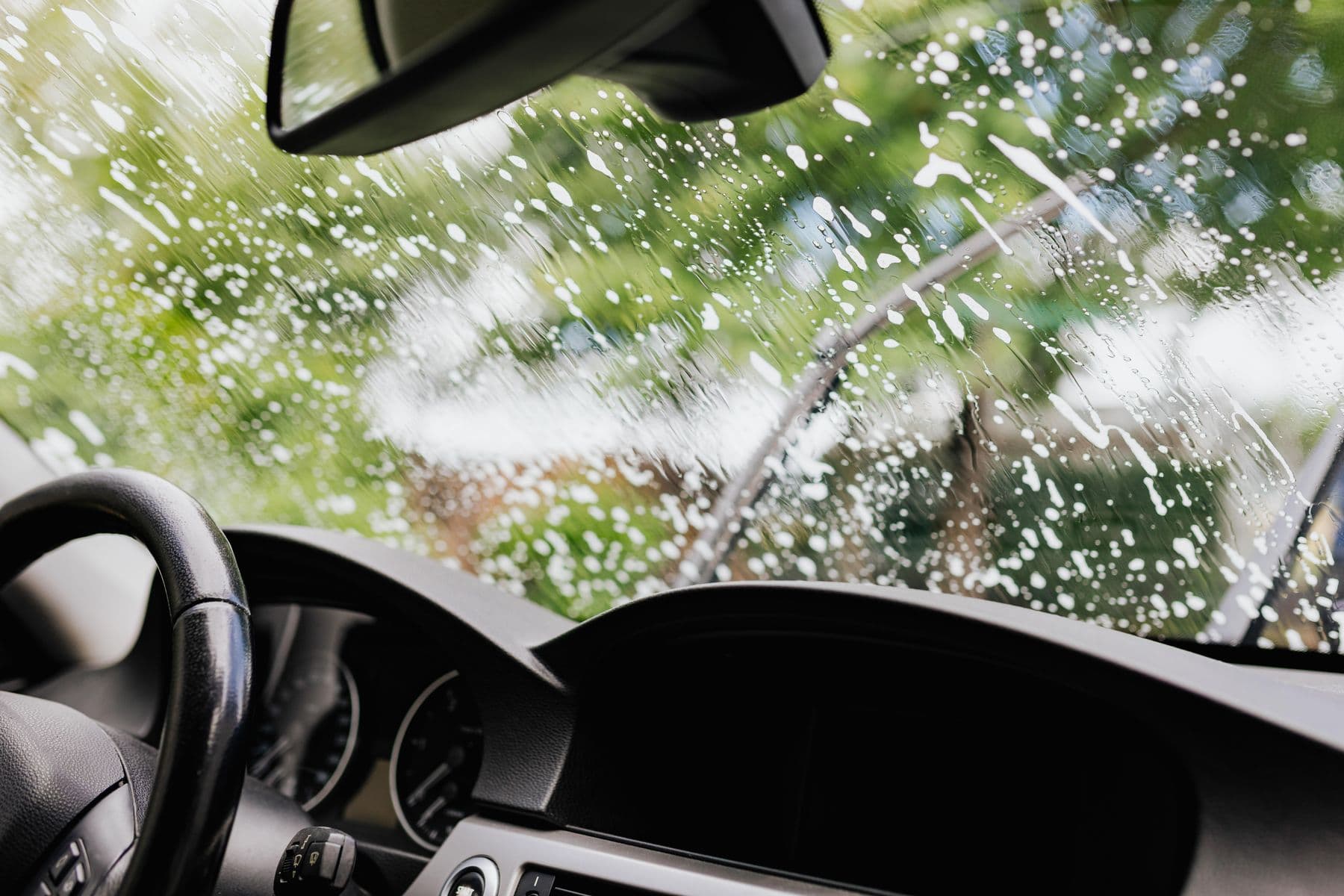
- Do not run the wipers. Dry glass under a sand layer will get a permanent arc of fine scratches. Never clear the windscreen with wipers until it has been flushed.
- Do not do a quick hose flick and call it done. Splashing a little water spreads slurry around and leaves grit in every seam to grind later.
Our deeper explainer on desert sand and car paint damage covers why these habits leave lasting marks.
The two-day recovery protocol
Work through these steps in order. If you would rather not risk it, this is exactly the job our mobile crew is built for, and we come to your parking bay.
- 1Assess the load. Is this a light dusting or a thick, packed coat? Heavy coats and any damp sand need water and steam, not a waterless lift.
- 2Flood, do not wipe. Loose sand must be floated off with low-pressure water or lifted with plenty of lubricating product before any cloth touches the panel. The goal is to make grit let go, not to push it.
- 3Clear the glass last, gently. Only once the screen is flushed should you touch it, and then with a clean, well-lubricated microfibre, working straight lines, not circles.
- 4Target the hidden pockets. Door and boot shuts, wheel arches, grille mesh and window rubbers hold the most grit. These need dedicated attention or the sand blows back onto clean paint within a day.
- 5Check under the car and around lights. Packed sand in lower panels and light housings traps moisture and dust against the paint.
- 6Protect once clean. A fresh sealant helps the next storm rinse off more easily.
Where the sand hides, and how to clear it
The paint you can see is the easy part. The grit that causes long-term trouble is packed into places a quick wash misses.
Door and boot shuts. Open every door and the boot. Wind packs sand into the rubber seals and the painted edges of the shut. Left there, it grinds every time the door closes and blows out onto the panel as you drive. These need flushing and careful drying.
Wheel arches and lower panels. Arches collect the heaviest load, mixed with road film and brake dust. This is where wheel and rim cleaning earns its place, clearing packed grit that a body wash never reaches.
Grille mesh and radiator area. The front grille catches sand like a sieve. Beyond looking untidy, packed sand here restricts airflow to the radiator in the worst heat of the year.
Window rubbers. Grit sits in the channels and scratches the glass every time a window goes up or down.
Steam or waterless: choosing the right method
This is the decision that protects the paint, and it comes down to how much sand there is.
| Situation | Best method | Why |
|---|---|---|
| Light dusting, dry | Careful waterless lift | Encapsulates and lifts fine dust with minimal grit movement |
| Moderate coat | Waterless plus steam on seams | Bulk lifted safely, steam clears trapped grit |
| Heavy packed sand | Steam and flushing | Volume must be moved with water and heat, not wiped |
| Damp or muddy sand | Steam and flushing | Clinging slurry needs melting and floating away |
A light film after a mild dusty day is a good fit for our eco waterless wash, which encapsulates fine dust and lifts it with about a litre of product. But a heavy post-storm coat is a job for steam exterior washing; the compare-and-contrast in our piece on steam versus traditional car wash explains why heat and controlled moisture move packed grit more safely than a cloth ever could. On arrival our crew judges the load and picks the method, so you never have to guess.
Do and do not, at a glance
| Do | Do not |
|---|---|
| Flood loose sand off with water or product first | Dry wipe or dust the car by hand |
| Clean shuts, arches, grille and rubbers | Run the wipers over dry sandy glass |
| Act within a day or two of the storm | Leave packed sand to bake in the heat |
| Use steam for heavy or damp coats | Rely on a quick hose flick for a heavy load |
| Re-seal once the car is clean | Scrub hard to save time |
Call us the day after the storm
The safest recovery is the one you do not have to risk yourself. Call or WhatsApp +971 58 540 1230 and we will bring the right method to your bay, whether that is a careful waterless lift or full steam and flushing for a packed coat. WashBox is fully mobile across Abu Dhabi from 07:00 to 22:00, seven days a week, and we confirm a quote before we start, no surprises.
Frequently asked questions
What is the worst thing to do to a sandy car?
Dry wiping. Sand is largely silica, harder than your clear coat, so a dry cloth or a swipe of the hand drags those grains across the paint like sandpaper and leaves permanent fine scratches. Never wipe, dust off or run the wipers on a sand-covered car.
Can I just hose the sand off quickly?
A quick flick of a hose is better than dry wiping but rarely enough. Low pressure water can float loose sand away, but grit trapped in shuts, arches and grille mesh needs proper flushing or steam. A half job often just moves sand into places where it grinds later.
Steam or waterless after a sandstorm?
It depends on the load. A light dusting suits a careful waterless lift. A heavy sand coating, or grit packed into seams and mesh, calls for steam and flushing to move the volume safely. Our crew judges this on arrival and picks the right method for your car.
How soon should I clean my car after a sandstorm?
Within a day or two, especially if rain or humidity follows. Damp sand clings and, combined with heat, lets contaminants bond to the paint. Clearing it early keeps the job gentle. Leaving it means grit works into every crevice and the next drive grinds it in.
Does sand really get inside door shuts and the grille?
Yes, extensively. Wind-driven sand packs into door and boot shuts, wheel arches, the front grille mesh and window rubbers. These hidden pockets are where grit lingers and later blows back onto clean paint, so a proper recovery wash targets them specifically.
 WhatsApp